
- Home
- About Us
- Humanitarian
- Training
- Consultancy
- Resources
- Corporate

- Home
- About Us
- Humanitarian
- Training
- Consultancy
- Resources
- Corporate
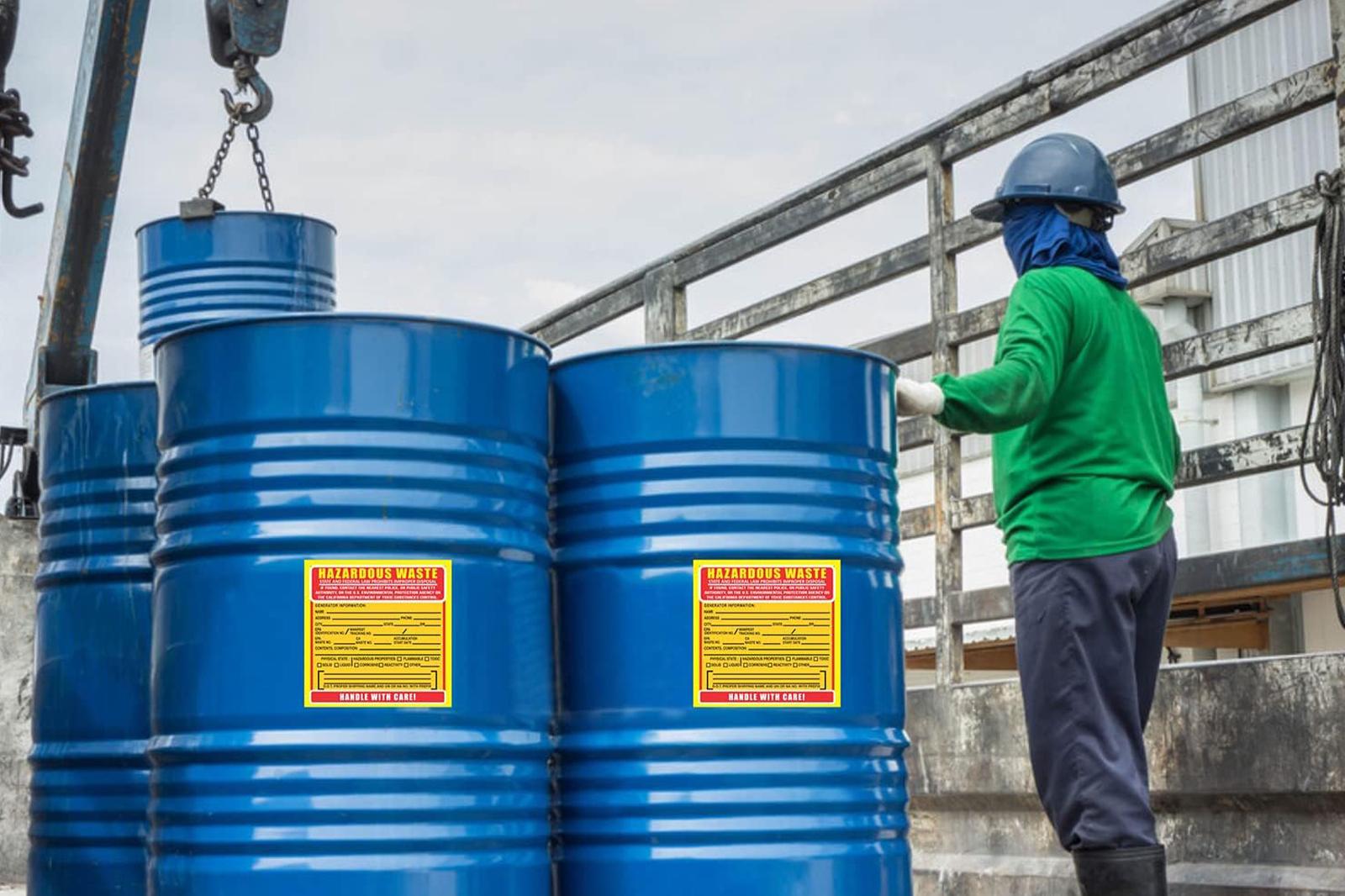
This course teaches you how to identify hazardous chemicals in the workplace, safely handle them, and protect yourself and your coworkers from the risks they present.
The Global Harmonized System (GHS) Training course aims to provide participants with an understanding of GHS principles, hazard classification criteria, label elements, and safety data sheet (SDS) requirements. This training ensures compliance with GHS standards for safer handling, use, and disposal of chemicals.
OSHA requires employers who use hazardous chemicals to educate affected employees on risks and safety precautions. It’s called the Hazardous Communications Standard (HCS or “HazCom” for short), which followed the “Right to Know” Act.
The use standardized labels and Safety Data Sheets (SDSs) is an important part of HazCom. They allow workers to identify chemicals and find important information quickly. In 2013, OSHA aligned their classification system, label standards, and SDS format with the United Nations’ Globally Harmonized System (GHS) to make international trade easier.
This course covers the most up-to-date GHS HCS standards.
HazCom standards apply to all employers with hazardous chemicals in their workplaces, regardless of industry or size. Employees with potential exposure need to be HazCom-trained.
Here are some examples of settings or professions where HazCom training is probably necessary – keep in mind, this list is not exhaustive:
Every year, vast quantities of chemicals are sold and shipped, for use in workplaces around the world.
And, with a global level of trade comes a need to ensure that the hazards pertaining to chemical products are clearly communicated – regardless of where in the world those products are being put to use.
While national laws and regulations relating to chemicals may be similar, they are often different enough to require multiple sets of Labels, Safety Data Sheets, and other information when being traded internationally.
All this creates the potential for confusion – which, when dealing with hazardous chemicals – could have disastrous consequences in the workplace.

